Science and Regeneration
Agroforestry cacao as a comprehensive solution to Veracruz's systemic crisis.
Agroforestry cacao as a comprehensive solution to Veracruz's systemic crisis.
Facing the exhaustion of the traditional agricultural model, we propose an alternative based on diversification and ecological restoration.
Citrus monoculture offers seasonal, low-income employment. This has caused migration and field abandonment, excluding vulnerable sectors.
Intensive use of agrochemicals has eliminated soil microbiology, drastically reducing its natural fertility and water retention capacity.
Shade-grown cacao cultivation regenerates soil structure and requires specialized technical management (pruning, grafting), generating permanent, dignified employment.
This is how the land responds when treated with respect and science. Real comparison of our demonstration plots.
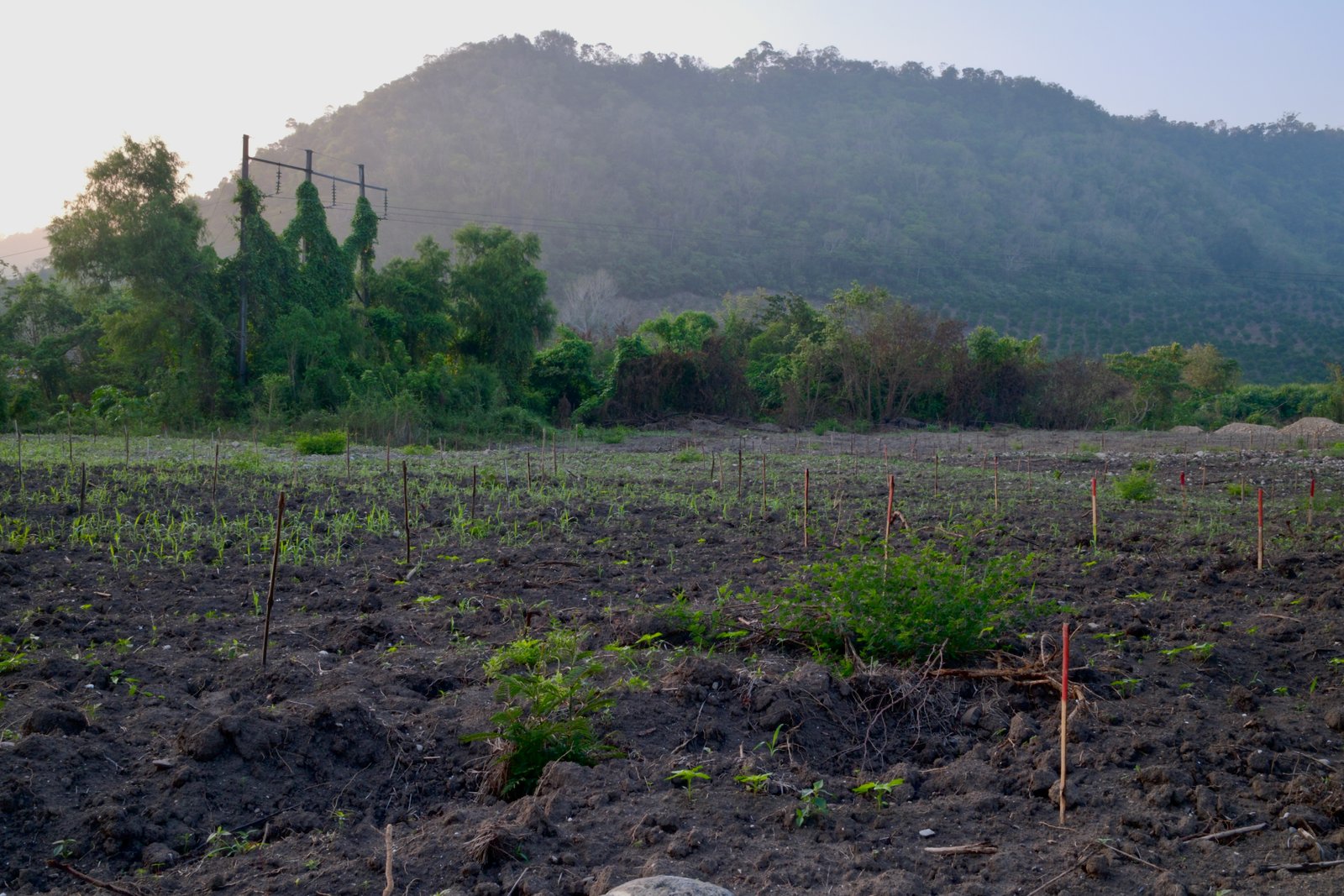
Compacted soil and scarce vegetation cover.
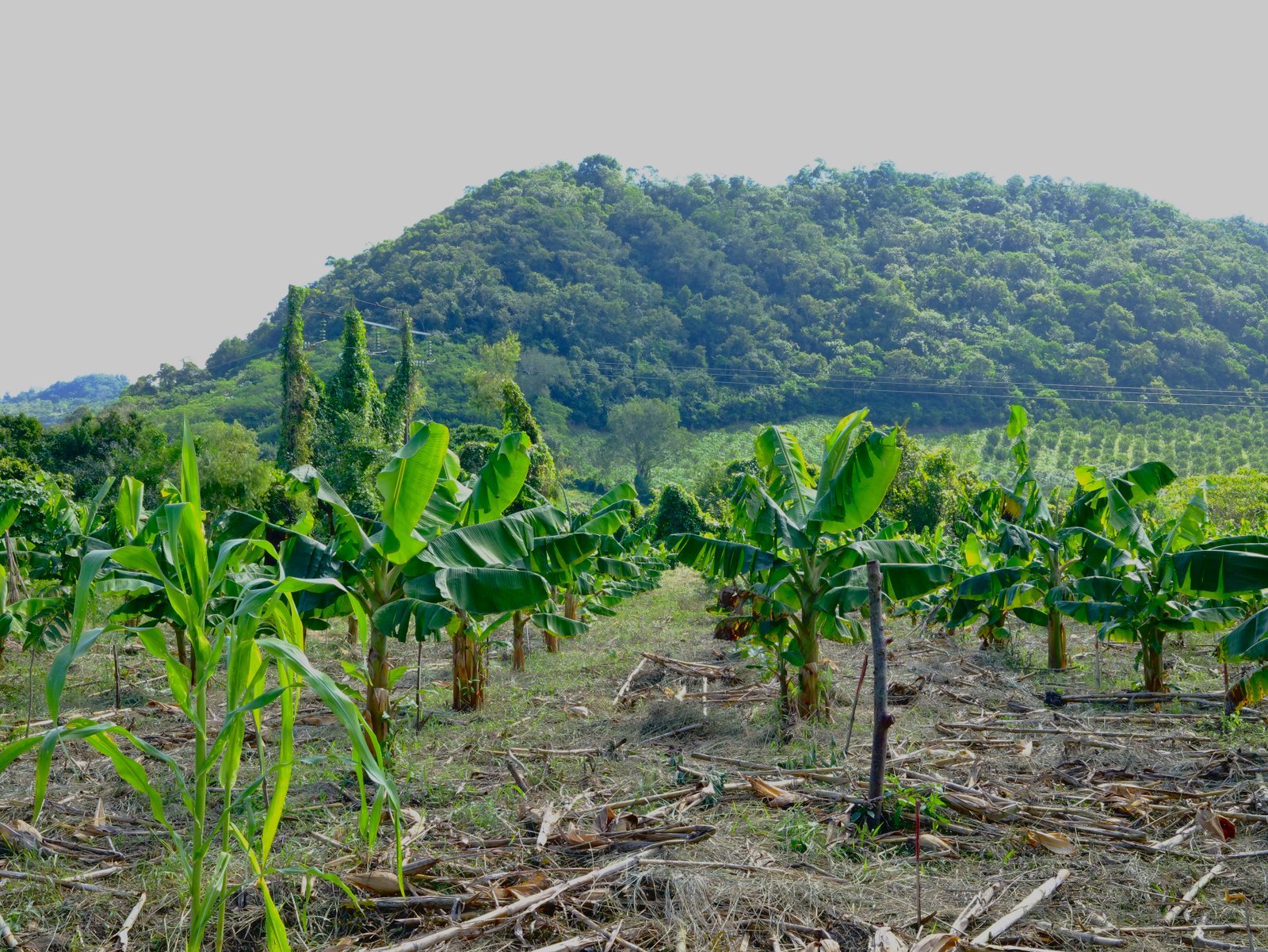
Recovery of structure and green cover.
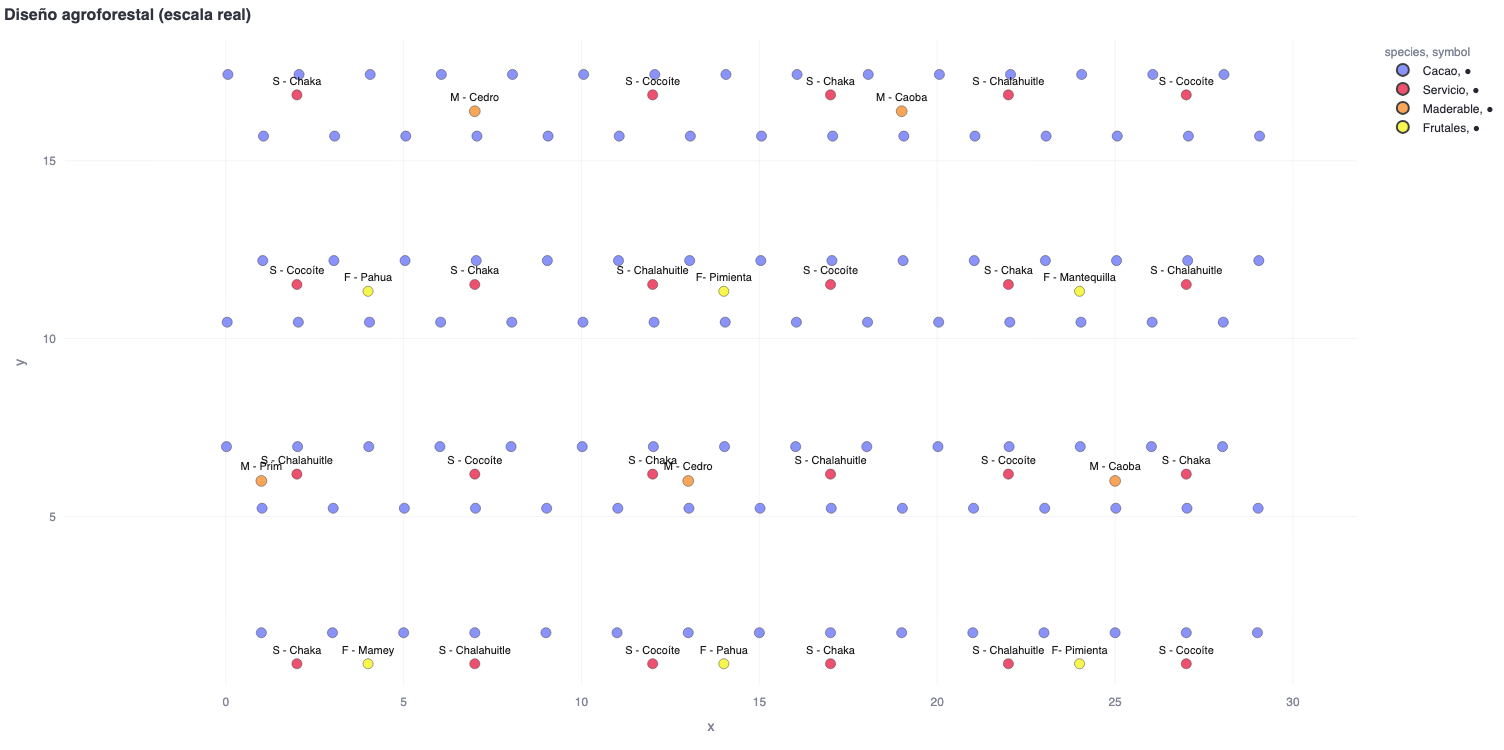
We designed three planting densities adapted to specific objectives:
Designed for maximum canopy recovery and long-term precious timber production. Ideal for buffer zones.
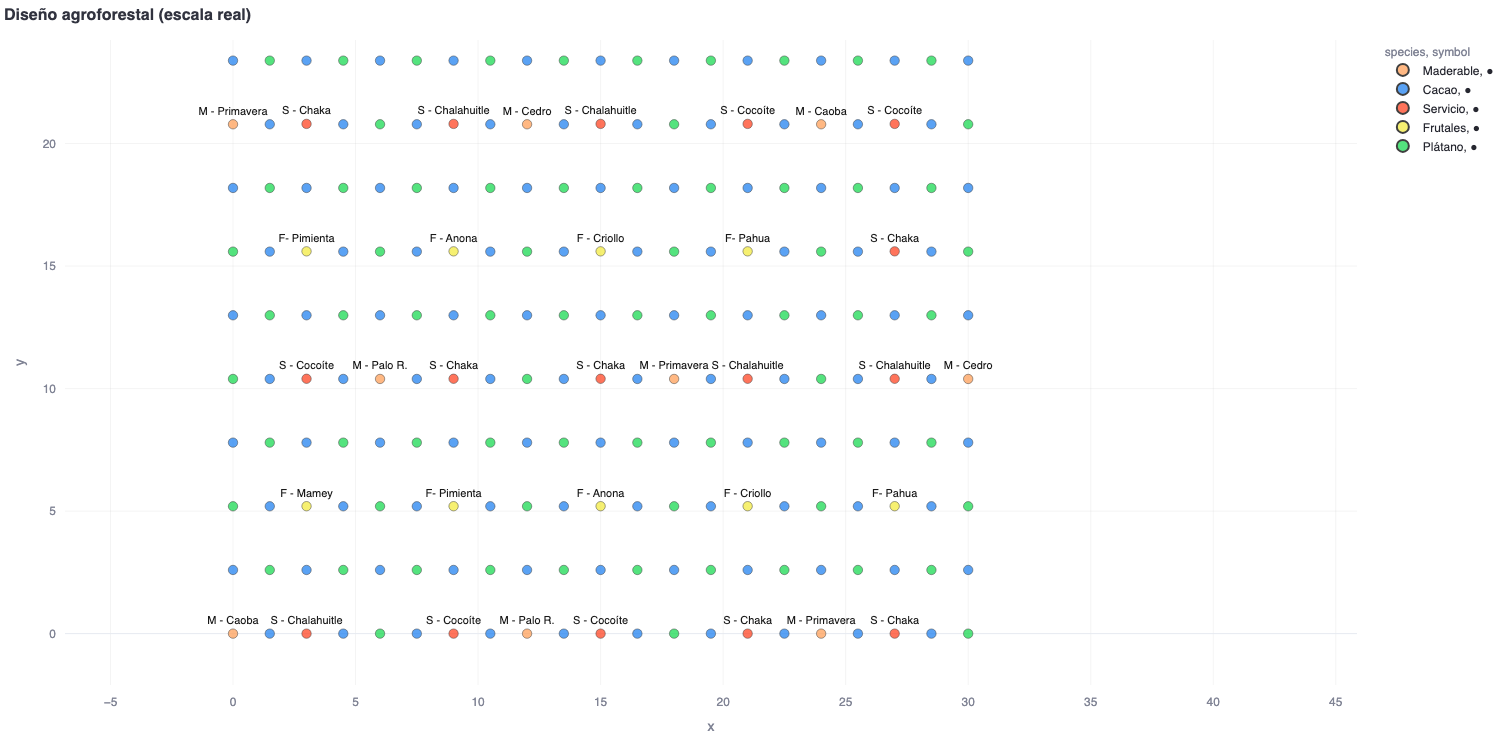
The standard model for regional replicability. Optimal balance between economic production (cash flow) and ecological restoration.
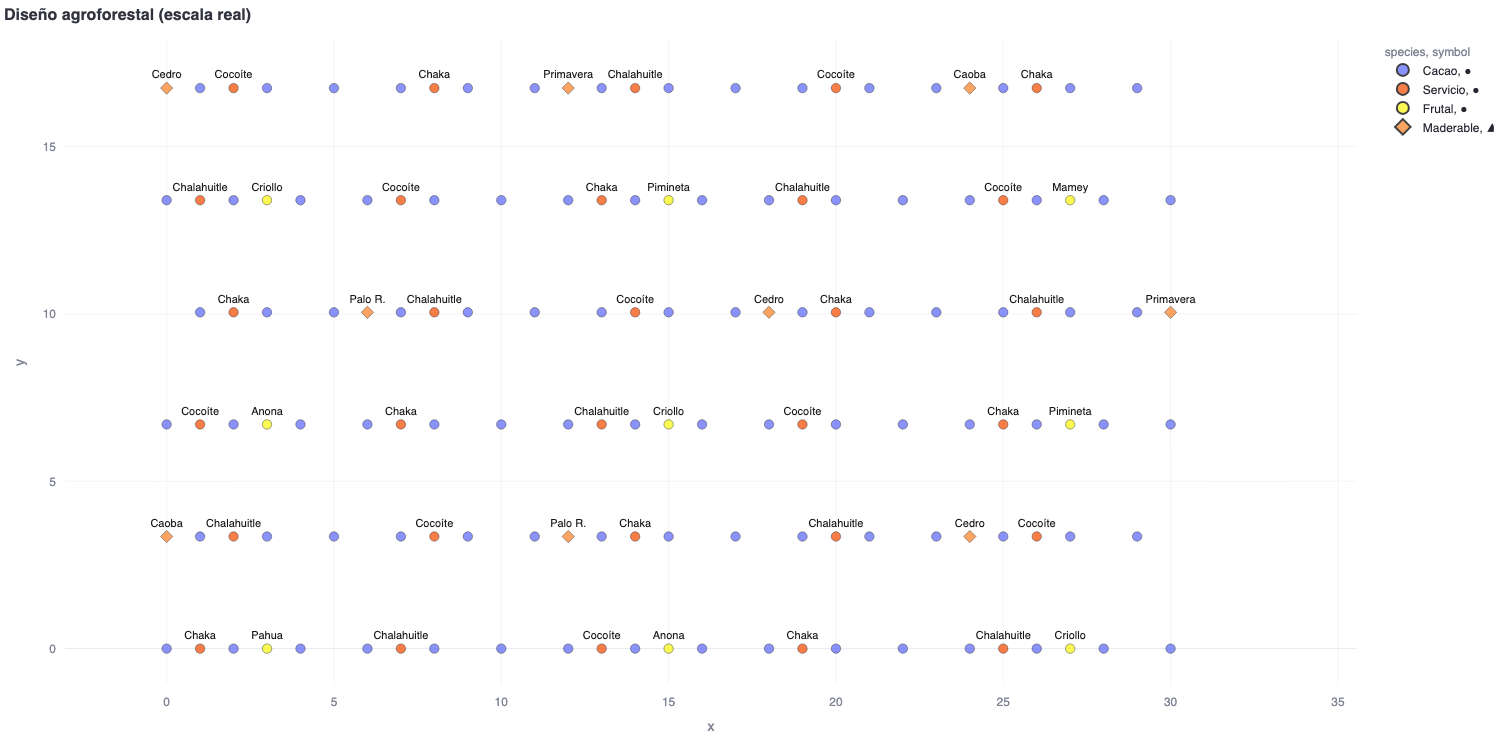
Profitability maximization in smaller areas. Requires qualified labor for rigorous pruning.

The project relies on collaboration with the Universidad Veracruzana (UV). Its researchers validate our protocols and supervise genetic selection.
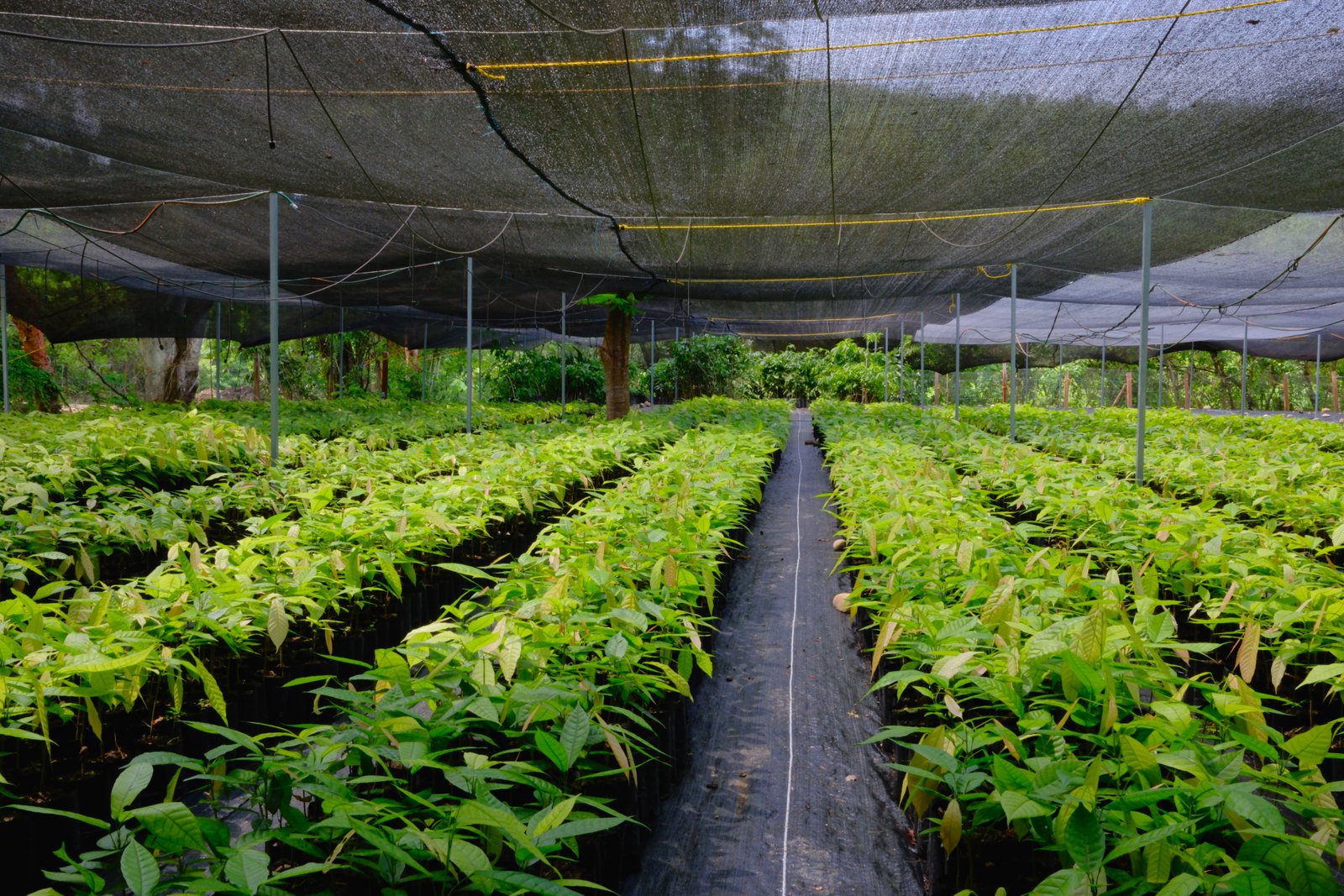
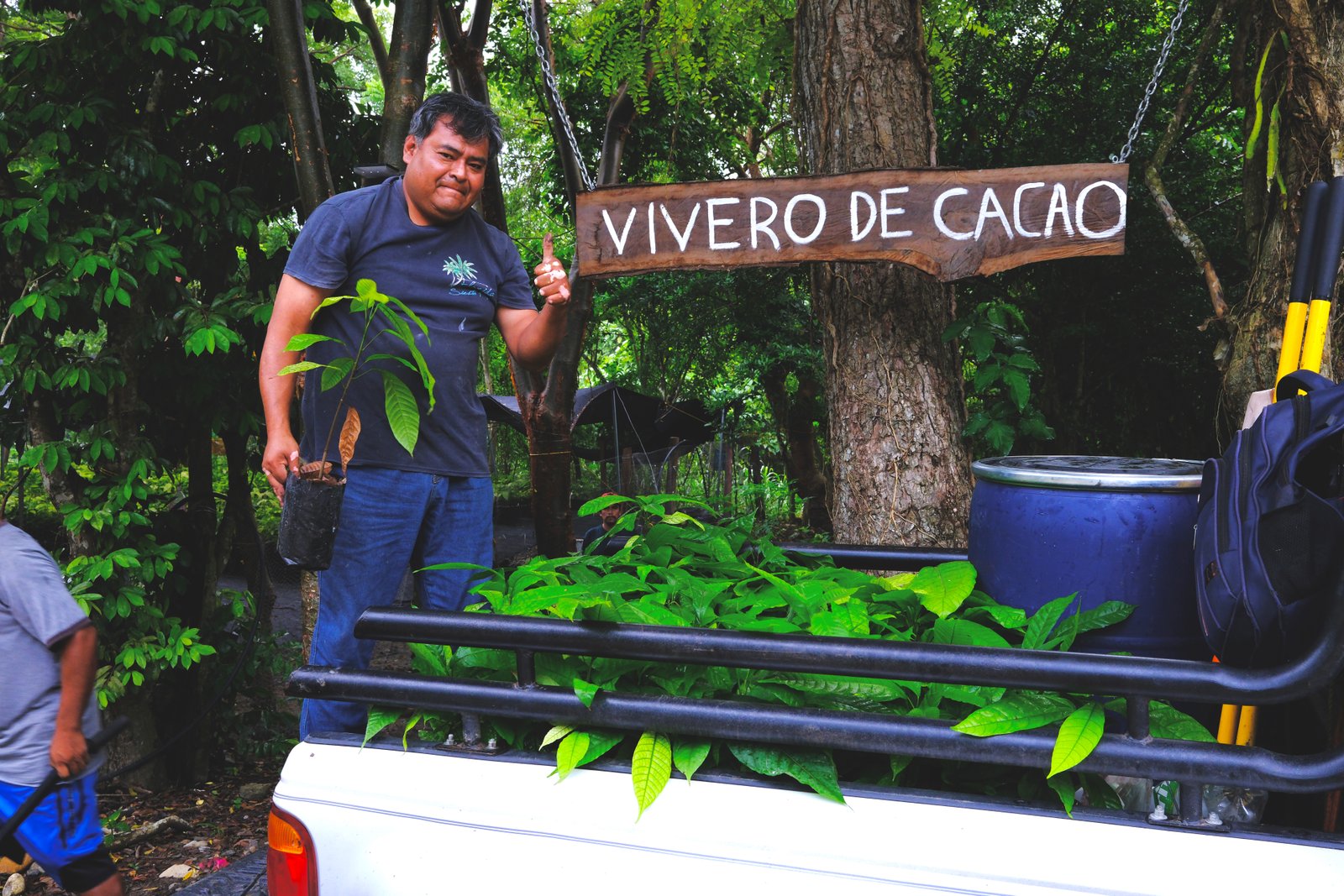
With an installed capacity of 70,000 plants per year, our nursery acts as a center for high-quality genetic propagation to trigger productive conversion in the region.
Establishment of the Mother Nursery (70,000 plants). Planting of +10,000 native trees and first 6 hectares under agroforestry system.
Selection of elite budwood under UV supervision. Field grafting campaign to ensure fine aroma flavor profiles.
Cacao formation pruning and shade regulation. Timber trees reach functional height.
Obtaining the first productive pods (trial). Validation of fermentation protocols.
Stable production. Commercialization of 'Tree-to-Bar' chocolate and full operation of the agroforestry tourism route.
You can directly contribute to the expansion of this regenerative model. Your contribution goes entirely to field operations.
$150 MXN/mo
Funds the planting and care of 1 cacao tree.
$500 MXN/mo
Supports the operational maintenance of the Mother Nursery.
$1,500 MXN/mo
Sponsorship of a full hectare for one month.
Book a unique experience at the reserve
We assist you via WhatsApp